01
Door count and access list
We walk the property and list every door: entries, suites, amenity rooms, closets, gates. Against each goes the people entitled to open it. That list is the system.
A master key system in Vancouver gives every person the smallest key that does their job. We design and pin it at your building, for property managers, strata councils and businesses. Call 604-227-9083.
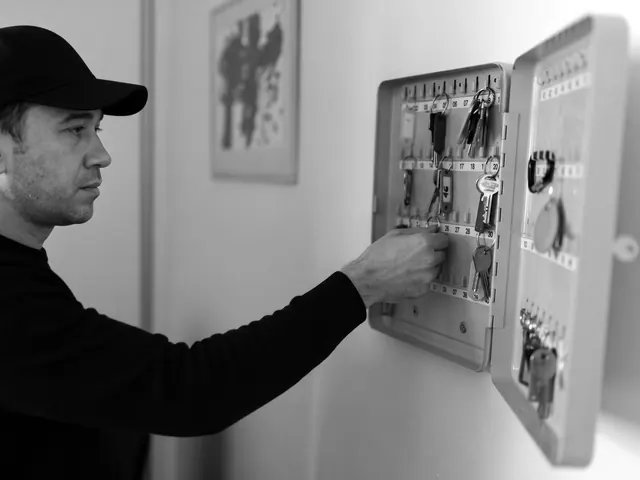 Fig. 01 — Vancouver, BC
Every lock has its own change key. Above those sit master keys that open a defined group of doors, and a grand master where the property needs one.
Opens one door only. A tenant, a staff member or a suite holds this level.
Opens a group, such as amenity rooms, storage cages or one floor of offices.
The master opens a whole zone. The grand master, held by the owner or manager, opens all of it. Keep very few.
The blanks go only to the dealer holding your key records, so each key was issued on a date, at a level, to a named holder.
A property manager's real problem is not cutting keys. It is knowing who holds which key, and closing a door when a key goes missing.
With levels built in, a tenant who leaves without a key means re-pinning that door, not rekeying the building.
Amenity and storage rooms sit on a sub-master. Mechanical and electrical closets get their own level for building staff only.
Cylinders on a new keyway with levels cost little more than cylinders pinned to flat keys. Adding levels later means opening every door twice.
If you look after several buildings, our commercial locksmith service covers the lock work across them.
Some bylaws require suite cylinders to keep working on the strata's emergency master, or name a hardware grade for suite doors. Tell us before the design starts, because both change it.
In a multi-tenant block, the shared doors sit on a level the landlord and every tenant hold. Each tenancy then gets a change key that opens its own unit and nothing else.
Managers open their floor, staff open their own doors, and the owner opens everything. A lost staff key means one cylinder, not all of them.
If an inherited master was never on controlled blanks, nobody can say how many copies exist. Adding doors leaves those copies working. Change over to a controlled keyway first.
Restricted keyways are the base of our Mul-T-Lock and high-security work. A key that cannot be copied at a counter keeps the hierarchy honest.
Two parts of the work: setting up the keying, and handing it over properly.
Each door is keyed to its own key, and one master key is cut to open them all. Unit keys stay private to each suite; the master stays with whoever the building authorizes.
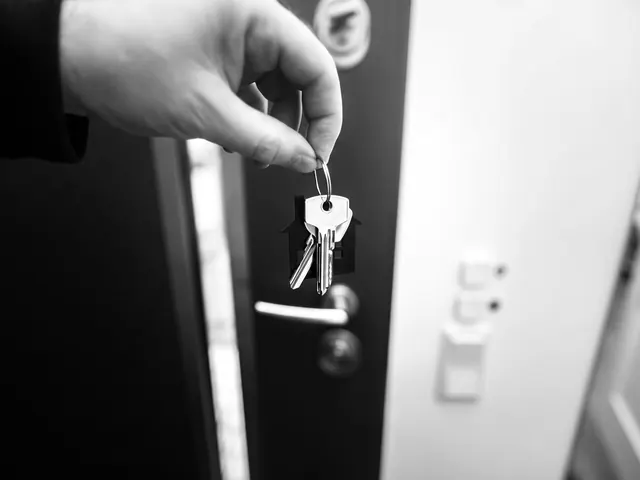
Each key is labelled by door and the holders are written down. Managers keep that record, so a lost key or a staff change can be handled without guessing.
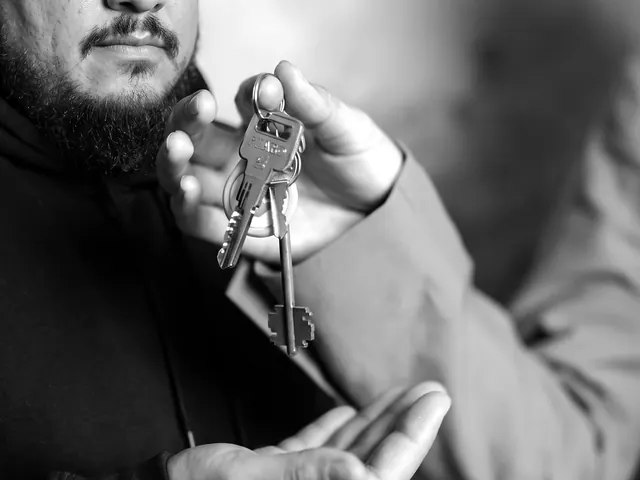
Cost follows the door count, the number of cylinders and how many levels the hierarchy needs. The total is confirmed on the call, once the doors are counted.
Heritage and mortise entries can cost more, because the cylinder has to suit an older lock body.
Our published prices are on our locksmith prices page.
See our locksmith prices →We walk the property and list every door: entries, suites, amenity rooms, closets, gates. Against each goes the people entitled to open it. That list is the system.
We choose the restricted keyway and produce the bitting chart. Nothing is ordered until you sign it, because moving a door between levels later means cutting keys twice.
Cylinders go in or are re-pinned at your building. Every key is tested on the doors it should open and one it should not, then handed over against a signed sheet.
In a tower, the keyed suite and room cylinders are one system. The lobby, parkade and elevator readers are another, and they belong to the strata.
Newer towers are often on a controlled keyway where only the building's own supplier holds blanks. Give us the building name on the call and we will say if we carry it.
For one suite, see lock change and rekey. Tower stock is covered on our West End page.
One lot can hold a main house, a basement suite, a laneway home, a garage and a gate. The question is how far up the owner's key should reach.
A master that opens a tenanted suite is a tenancy problem. Keep the owner's level above garage, gate, laundry and bin store only.
Every dwelling holds a change key that appears nowhere else. The main house is one dwelling, not the top of the building.
Spare levels cost nothing on the chart and save recutting the property when a fifth door is added.
Older doors can usually join the hierarchy. We keep the original mortise body and change what sits inside it.
The door looks as it did and shares a keyway with every modern door on the property. Pre-war homes in Shaughnessy are a common case.
A ward lock has no cylinder to pin. It cannot join the hierarchy without changing the lock body.
What a heritage designation allows is set property by property. Get that answer first and we hold off on anything irreversible.
Only with authorization from whoever holds the key records. Ask your strata or property manager which dealer the building is registered with. If the records are lost, the choices are a clean changeover onto a new keyway or a separate system for the new doors.
Usually yes. Within one keyway family, the same profile comes in mortise cylinders, rim cylinders, deadbolts and padlocks. The exception is a bit-key ward lock, which has no cylinder to pin.
No. Re-pin the cylinders that key opened. A change key opens one door, and a sub-master opens its own group. Only a lost grand master puts the whole building in play.
It follows the door count, the number of cylinders and how many levels the hierarchy needs. The total is confirmed on the call once the doors are counted. See our locksmith prices page for what we publish.
No. Fobs, lobby doors and parkade gates belong to your strata or property manager, and we never copy or program them. A master key system covers the keyed cylinders only.
Your suite entry is the door you can authorize, and we check ID and proof of residence first. Check your bylaws on whether the suite cylinder must keep working on the strata's emergency master.
Mobile locksmith work across the city of Vancouver and the UBC area.
Each area page covers the doors, buildings and locks we see in that part of the city.
View Service Areas ↗Call with the address and a rough door count. You get a range on the call, and arrival is confirmed on the call.