Garage door opener repair in Vancouver
An opener that hums, stalls, reverses or ignores the remote is usually one failed part. We test the motor, board, safety eyes and travel limits at your garage, then repair that part. Call 604-227-9083, and arrival is confirmed on the call.
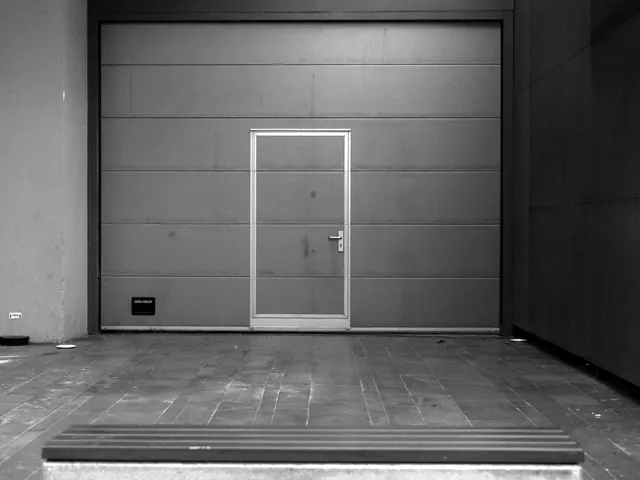 Fig. 01 — Vancouver, BC
BC Security Business Licence #B6227.→
Call now
604.227.9083
Opener faults we repair at your garage
The technician comes to you. The repair is done in your garage.
Most openers are not worth replacing. A gear, a capacitor, a sensor or a remote is a smaller job than a new motor.
- Hums, door does not moveStripped drive gear, failed capacitor or a trolley off its carriage
- Stalls or crawlsMotor, drive and travel limits tested together
- Reverses at the floorSafety eyes realigned or rewired, then limits reset. See the reversing section below.
- Remote does nothingRemotes and wall keypads paired, PINs set, batteries changed
- Lost remoteOpener memory wiped, then only your current remotes re-paired
- Wi-Fi openerJoined to your network and paired to the phone app
- Dead unitPower and the low-voltage wire to the wall button traced before the motor is condemned
- Roll-up doorWall station and exterior key switch on commercial roll-up doors
What it costs
The part that failed sets the total. Give us the brand and what the opener is doing, and the total is confirmed on the call before work starts.
Our published prices are on one page.
See our locksmith prices →Why a garage door opener reverses instead of closing
A door that goes up fine but will not stay down is usually talking about its safety eyes, not its motor.
Photo eyes
Two eyes sit a few inches off the slab, one each side, and must see each other all the way down. Break the beam and the opener sends the door back up on purpose. Check that the small LED on each eye is lit and steady.
What breaks the beam
A bracket knocked by a bike or bin, a damp lens in an unheated garage, a corroded terminal, or low winter sun straight down the lane. Realigning the eyes, re-terminating the wire and resetting the limits is often the whole job.
Force and travel limits
An opener learns how hard its door is to move. A wood door that has swelled in the damp drags more, and the opener reads that as an obstruction. We free the door first, then set the force to what it needs, never wound up to hide a problem.
When it is the door
If the door itself binds or hangs unevenly, that is garage door repair, and we will say so instead of selling you a new opener.
Openers on lane garages and laneway houses
Many Vancouver garages are detached buildings at the back of the lot, off the lane. That shapes the work.
Shared garages
On a house split into suites, the owner and the tenant often both hold a remote. A keypad outside the door means nobody needs a spare handed over.
Wi-Fi at the back lot
The router is at the front of the house and the motor is at the far back. The app pairs in the kitchen and drops at the garage. We check the signal at the motor first. If it is marginal, the fix is usually an access point nearer the back, not a different opener.
After a tenant moves out
The suite key comes back, but a remote in a glovebox keeps working for years. Wiping the opener memory takes minutes: every learned remote is erased, then your current remotes and keypad are re-paired. Worth doing after a house purchase or a break-in too.
Dead opener, no power
A detached garage is fed from a circuit that starts in the house panel. If the garage lights are out as well, the fault is at the panel and is an electrician's call. If the lights work and the wall button is dark, the wire to the button or the board is likelier, and that one is ours.
Garage door opener repair and new remotes
Two everyday opener jobs.
Safety eyes realigned and limits reset
The door goes down, touches the slab and comes back up. We trace the beam, realign or rewire the eyes, then run the door top to bottom and test the safety reverse against an obstruction.
Travel and force are set to what the door needs, then every remote and the keypad are tried.

Remote or keypad programmed to your opener
Moved into a house with no working remotes? We pair new remotes and a wall keypad to the opener already on your ceiling and set the keypad PIN.
We also wipe the memory, so any remote the previous owner kept stops working.
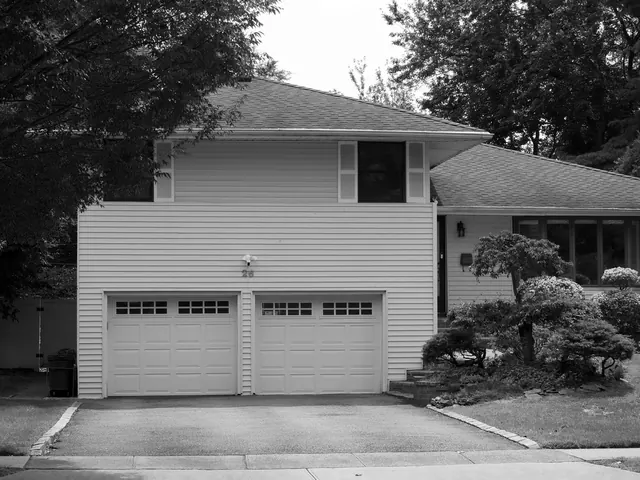
Parkade gates and fobs: what we can and cannot do
Many Vancouver buildings have no private opener at all. The door you drive through is a parkade gate on the building's access system.
✓We do
- Repair and program the opener on your own garage
- Pair remotes and keypads to it
- Open or rekey your suite door
✕Your strata or property manager
- Parkade gates, lobby and common-area doors
- Building fobs. We never copy or program them.
If a fob goes missing, ask the strata to switch it off as well.
Is it worth repairing this opener?
Usually, yes. A sound unit with one failed part is not a reason to buy a new one.
✓Usually repaired
- Sensors, remotes and keypads
- Drive gears and capacitors
- Wall button and its wire
✕Usually replaced
- A burnt-out motor
- A failed board that is no longer made
- A fixed-code opener, where the same signal opens the door every time
You get the repair figure and the replacement figure side by side, and you choose.
01The door goes up but will not stay down. What do I check?
The LED on each photo eye. Both lit and steady means they see each other. One out or flickering means the opener is reversing the door on purpose. Wipe both lenses and look for a bracket knocked out of line. If the eyes look right, the limits or force setting are next.
02It hums but the door does not move.
Often a stripped drive gear, a failed capacitor or a trolley off its carriage. Pull the release cord and lift the door by hand. If it rises smoothly and stays, the fault is in the motor. If it is very heavy or drops when you let go, leave it down and book garage door repair. That is spring tension.
03How much is garage door opener repair?
The total depends on the part that failed, and it is confirmed on the call before work starts. See our locksmith prices.
04Can you program a remote for an opener I did not buy?
Yes. We pair new and existing remotes to the opener already on your ceiling, set or reset a keypad PIN and change batteries. We can wipe the memory so remotes from a previous owner stop working.
05Can you replace my parkade fob?
No. Fobs and parkade gates belong to your strata or property manager. We never copy or program building fobs. A garage remote talks to your own motor, which we can pair and erase.
06Do you repair the opener at my garage?
Yes. The technician comes to your garage, and the repair is done there.
07Do you work on the door or only the opener?
Both, as separate jobs. The motor, sensors, remotes and smart setup are this page. Springs, cables, rollers and tracks are garage door repair. The side door lock is garage door locks.
Vancouver neighbourhoods we repair openers in
Mobile garage door opener repair across the city of Vancouver and the UBC area.
Each area page covers the doors, lanes and buildings we see in that part of the city.
View Service Areas ↗Call about an opener repair: 604-227-9083
↗Tell us the brand on the motor and what the opener is doing. The range and the arrival are both confirmed on the call.