01
Tell us where the car is
Give the make, model, colour and exact spot: cross street, or level and stall if you are underground.
Keys locked in your car in Vancouver? A licensed locksmith comes to the car and opens the door without your key. Call 604-227-9083.
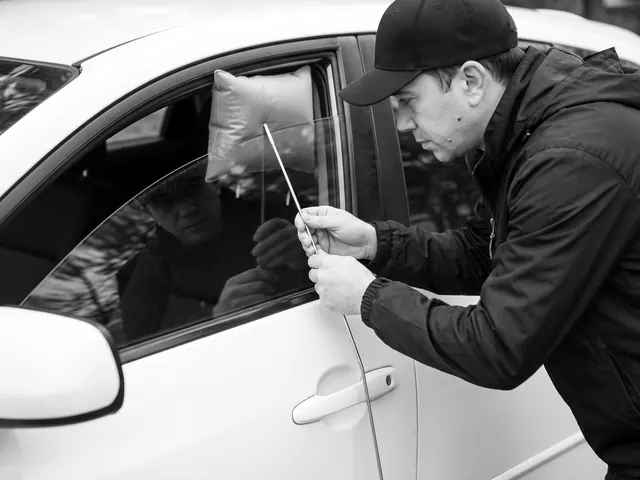 Fig. 01 — Vancouver, BC
A child or animal shut in a car is an emergency. Call 911 before you call a locksmith.
Tell them the street, the car's colour and plate, and the level and stall if you are in a parkade.
If you still need the car opened after responders arrive, call 604-227-9083. Arrival is confirmed on the call.
Yes, and your own key keeps working afterwards.
A lockout is a door problem, not a key problem. We open the door, you take the keys off the seat, and you drive away on the key you already own.
The technician brings an air wedge and a long-reach tool to the car. The aim is to open the door without marking it, and we tell you on the call if your vehicle needs a different approach.
Tell us the make, model and year on the call. The total for your address is confirmed before a technician is sent.
The lockout is for opening the door only. A lost key is a different job, covered under car key replacement.
Two ways a lockout usually goes, both done where the car is parked.
The technician comes to the car with the tools for your make and model. Photo ID and registration or an insurance slip are checked before the door is touched.
If the key is gone as well, the car can be keyed and programmed on the spot.
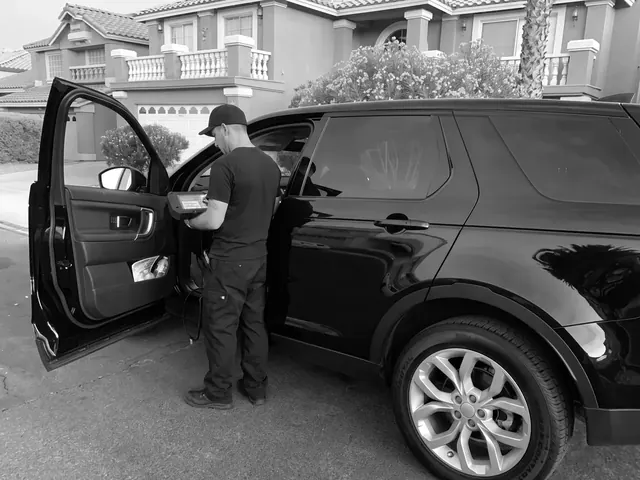
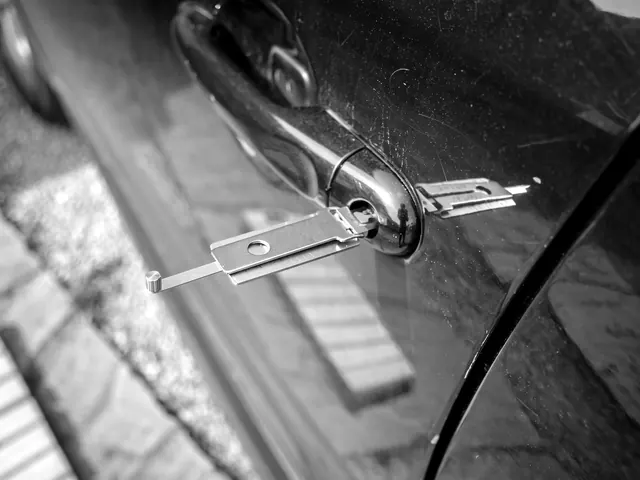
When the keys are inside, a lock pick tool in the door cylinder opens the car without breaking glass or bending the door frame. The lock is tested before we leave.
If the lock itself is worn or damaged, we can look at replacing the key or cylinder.
Give the make, model, colour and exact spot: cross street, or level and stall if you are underground.
A technician comes to the car. Before the door is touched we check photo ID and the registration or an insurance slip.
We open the door, check that it closes and locks as before, and hand the car back to you.
Parkade gates and fobs belong to your strata, not to us.
If the gate fob is on the same ring as the car key, ask building staff to let the technician down.
If you can see the keys, it is a lockout. If you cannot, the key may be gone.
The door is opened and the job ends. Nothing is cut or programmed.
We open the door, then cut and program a new key at the car. See car key replacement and transponder key programming.
A dead battery is a cheaper fix than a new key. See key battery replacement.
Yes. A technician comes to the car and opens the door with an air wedge and a long-reach tool. Your own key stays valid, so nothing needs programming.
The total depends on the car and the address, and it is confirmed on the call before a technician is sent. See our locksmith prices page for more.
Call 911 first. A trapped child or animal is an emergency, and responders can make entry right away. Then call us if you still need the car opened.
Yes. We check photo ID and proof the car is yours, such as the registration or an insurance slip on your phone, before the door is touched.
We open the car. Access to the parkade itself belongs to your strata or property manager, and we cannot open building gates or fobs. Ask the concierge or building staff to let the technician in.
That is a different job. We can open the door, then cut and program a replacement at the car. See car key replacement for the ranges.
Mobile car lockout service across the city of Vancouver and the UBC area.
Each area page covers the buildings and parking we see in that part of the city.
View Service Areas ↗Tell us the make and model and where the car is. The price is confirmed on the call, and so is arrival.