01
Call with the car details
Year, make, model, and whether a working key is left. We confirm the key type and the total on the call.
Chip key programming in Vancouver, done at your car. A transponder key has to be programmed to your car's immobilizer, or the engine will not start. We bring the programming tool to you. Call 604-227-9083.
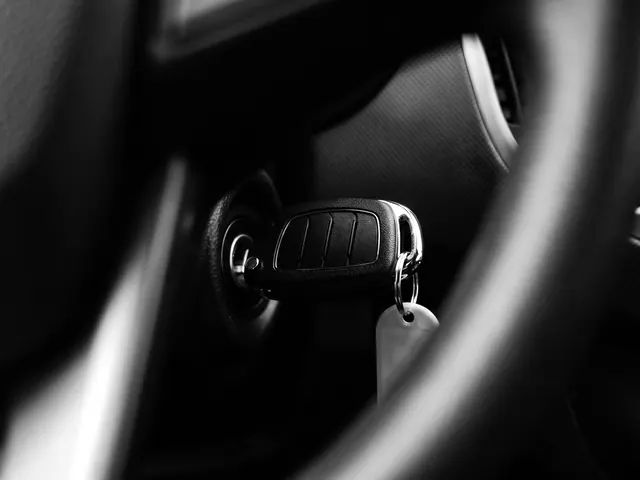 Fig. 01 — Vancouver, BC
Most cars built in the last twenty-odd years need it.
A transponder key has a chip in the head. The car's immobilizer reads that chip, and the engine starts only if the code matches.
A blade cut to the right shape turns the ignition and opens the door. Without a programmed chip the engine still stays off.
A diagnostic tool plugged into the car adds the new chip to the immobilizer's list of accepted keys, or copies the code of a key the car already accepts.
On a remote head or flip key, the buttons are paired as well as the chip. For fobs on their own, see key fob replacement.
Tell us the year, make and model on the call, and whether any working key is left. That decides the route.
Year, make, model, and whether a working key is left. We confirm the key type and the total on the call.
Photo ID and proof the car is yours, checked against the VIN on the car, before anything is cut or programmed.
We cut the blade if needed, program the chip, and start the engine in front of you before the job is closed.
Two common reasons a car key stops working, and what we do about each.
A remote key has to be paired to the car before the engine will start. We cut the blade, program the remote and test it at the car.
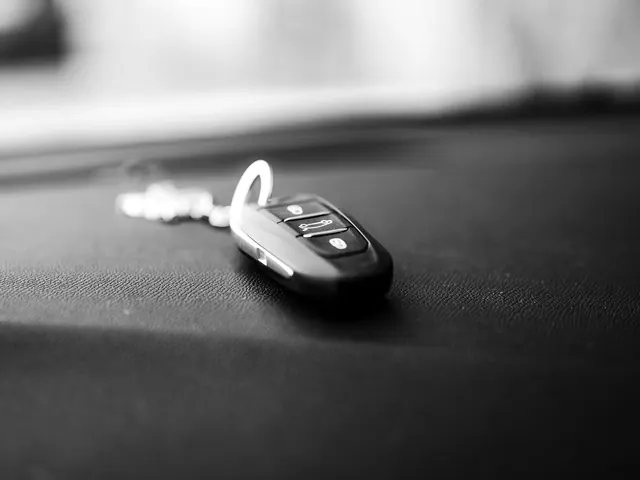
A worn door lock or ignition can make a good key feel like a bad one. If the key is fine and the lock is the problem, we say so before reprogramming anything.
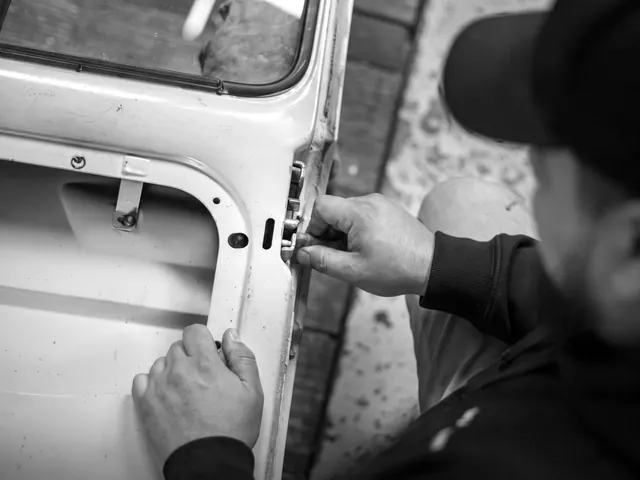
Whoever holds a programmed key holds the car, so we check before we program.
A driver's licence or other government photo ID, in the name on the ownership document.
A vehicle registration or an insurance slip that puts the car in your name. We match it against the VIN on the dash.
Tell us on the call. We will say which paperwork we need before a technician is sent.
The chip, the buttons and the make decide the total. The total for your address is confirmed on the call before a technician is sent.
Full key list on the car key replacement page.
Car key replacement →The car usually decides which route a job takes.
If a key the car accepts still exists, its code can be copied onto a new chip. Nothing is written into the car, so other keys stay as they are.
A tool on the diagnostic port adds a new chip to the immobilizer's list. This is the route when no original is left.
The key list is usually cleared and rebuilt, which stops any key not present that day. Bring every key you still have so it can be paired again in the same visit.
A transponder key has a small chip in the head that talks to the car's immobilizer. The engine starts only when the chip sends the code the car expects. The metal blade can fit the ignition perfectly and the car will still not start without that code.
Yes. Programming is done at your car in Vancouver with a diagnostic tool plugged into the car. We cut the blade if the key needs one, program the chip, and start the engine before we finish. Availability and arrival are confirmed on the call.
The make, model and year decide the total, and it is confirmed on the call before a technician is sent.
Photo ID and proof of ownership, such as a registration or an insurance slip with your name. We check ownership against the VIN on the car before cutting or programming any key.
Often, yes, if the chip type matches your car. Online blanks are sometimes the wrong chip family or already locked to another car, so tell us what you have on the call and we will say whether it is usable.
Adding a key leaves the others working. When all keys are lost, the car's key list is usually cleared and rebuilt, and any key not present that day stops working. Bring every key you still have.
Mobile key programming across the city of Vancouver and the UBC area.
Each area page covers the buildings and parking we see in that part of the city.
View Service Areas ↗Tell us the year, make and model and whether a working key is left. Arrival is confirmed on the call, and the engine is started before we finish.