01
Call with the symptom
Say what the key does, and give the year, make and model. That tells us what to load.
Key won't turn, stuck in the ignition, or snapped off in it? A licensed locksmith comes to the car and frees, repairs or replaces the ignition cylinder where it is parked. Call 604-227-9083.
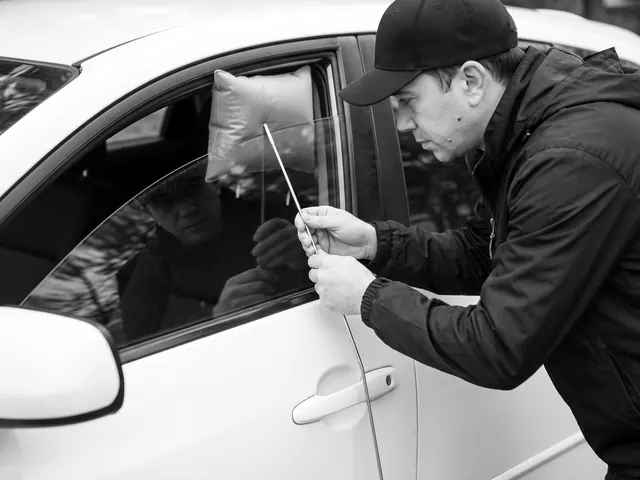 Fig. 01 — Vancouver, BC
The symptom tells us what to bring.
Most ignition calls are one of four faults. We work out which one on the phone, so the right parts are on the van before it leaves.
If the key turns and the car still will not start, the cylinder has done its job. The fault is behind it, and we say so on the call rather than sell you a cylinder.
A key that will not turn is often a steering lock under load, not a broken ignition.
Hold light turning pressure on the key and move the wheel firmly left and right. If the lock lets go, nothing is broken.
A spare that turns means the blade on your everyday key is worn. A fresh cut fixes that. See car key replacement.
Do not force it. A blade snapped off inside the cylinder turns a repair into an extraction. Call us instead.
Tell us the make, model and year and what the key does. The total for your car is confirmed on the call, before a technician is sent.
The ignition switch behind the cylinder, and a few vehicles that only the dealer can service, are also confirmed on the call. If a new cylinder means a new key, we say so before we start. See transponder key programming.
Not always. A stiff cylinder can often be cleaned and put back.
Where the car allows it, the new cylinder is coded to the key you already carry.
Two typical jobs, both done where the car stopped.
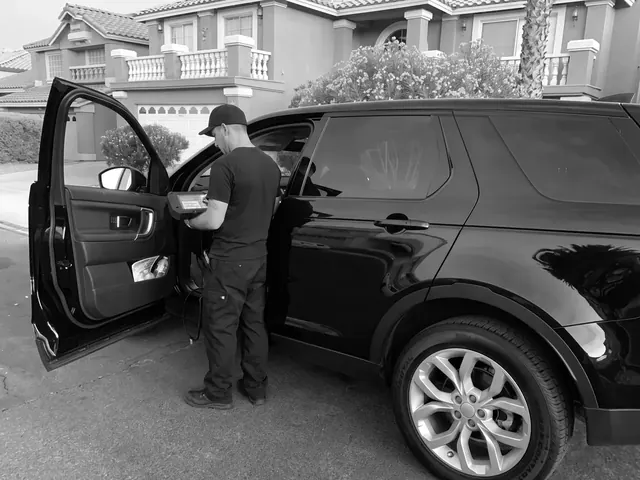
The technician removes the column cover, tests the cylinder and either services it or swaps it for a matching unit. Ownership is checked against the registration before any key is cut.
If a new cylinder means a new key, it is cut and programmed in the same visit.
A blade usually snaps at the shoulder, with the cut part still held by the tumblers. Do not pick at it with pliers or glue. We draw it out with an extractor, then cut a fresh key so it does not happen again.
Where a worn cylinder caused the break, the extraction and the repair are one visit.
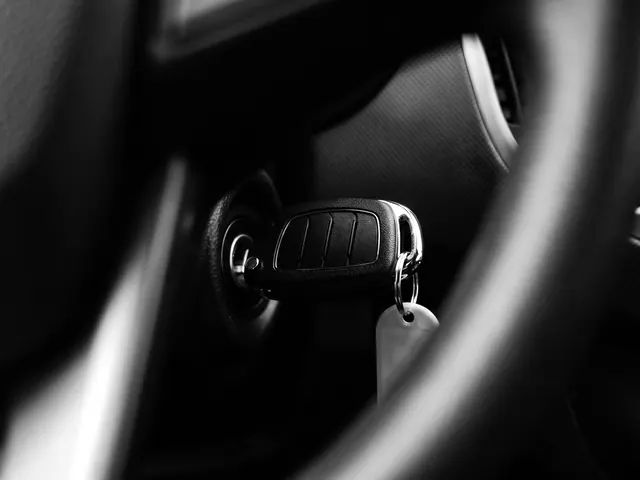
Say what the key does, and give the year, make and model. That tells us what to load.
Give a cross street, or the level and stall if you are underground. A parked car cannot be moved, so the van works beside it. Arrival is confirmed on the call.
We free, service or replace the cylinder, cut and pair a key if needed, then test off, accessory, on and start before handing the car back.
Parkade gates and fobs belong to your strata, not to us.
Give us the level and stall number, and ask building staff to let the technician down.
The most common cause is a steering lock under load. Rock the wheel left and right while holding light pressure on the key. If that fails, try a spare. A spare that works means your everyday key is worn. If neither turns, stop and call us.
The total for your car is confirmed on the call, before a technician is sent. See our locksmith prices.
Often, yes. A gritty or stiff cylinder can usually be cleaned and relubricated. Replacement is the call once the tumblers no longer hold a key reliably or the housing is damaged.
On most vehicles, yes. Some makes will not allow it, and then you get one new key cut and programmed for both the doors and the ignition.
Not usually the cylinder. It may be the ignition switch behind it, a chip the car no longer recognizes, or a flat fob battery. Describe what the car does after the key moves and we will tell you which on the call.
No. Cylinders, a key cutter and a programmer come to the car, including cars parked in an underground stall.
Mobile ignition and car key service across the city of Vancouver and the UBC area.
Each area page covers the buildings and parking we see in that part of the city.
View Service Areas ↗Tell us the make, model and year, and what the key does. The total is confirmed on the call, and so is arrival.